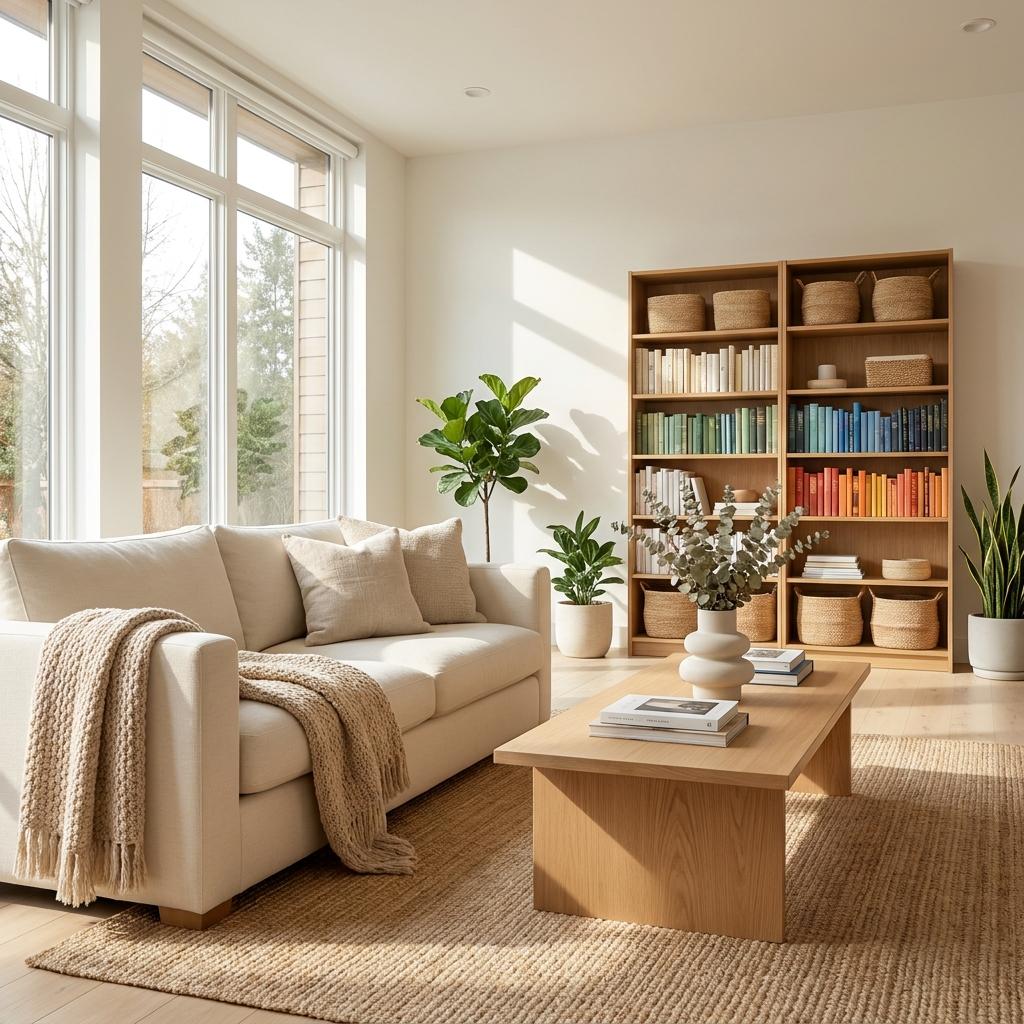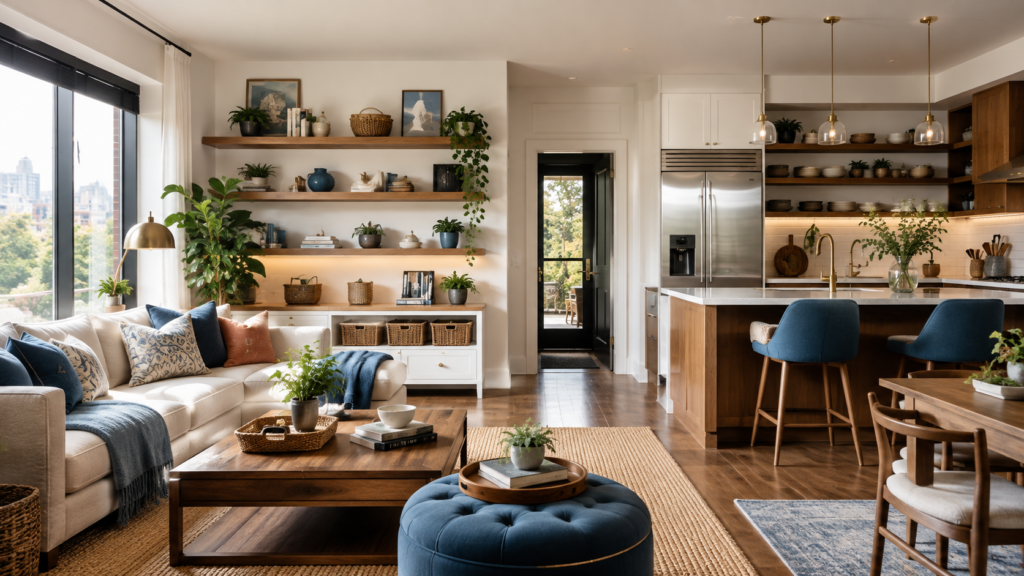
Living in a small home or apartment doesn’t mean you have to live with clutter. In fact, some of the most organized homes are the smallest because every inch is used with intention.
Whether you’re living in a studio apartment, a cozy townhouse, or simply trying to make the most of a compact room, smart organization can completely transform how your space looks and feels.
The secret isn’t buying a bigger home—it’s learning how to organize the one you already have. By using clever storage solutions, multifunctional furniture, and simple organizing habits, you can create a home that feels spacious, functional, and inviting.
In this guide, you’ll discover 10 practical home organization ideas that will help you maximize every square foot without sacrificing style or comfort.
Why Organization Matters in Small Spaces
When space is limited, clutter becomes much more noticeable.
A few misplaced items can quickly make a room feel cramped and overwhelming. On the other hand, an organized home creates the illusion of more space while making daily routines easier.
Benefits of organizing a small home include:
* More usable living space
* Easier cleaning and maintenance
* Less stress and visual clutter
* Better productivity
* Improved functionality
The goal isn’t to own less just because your home is small—it’s to make every item earn its place.
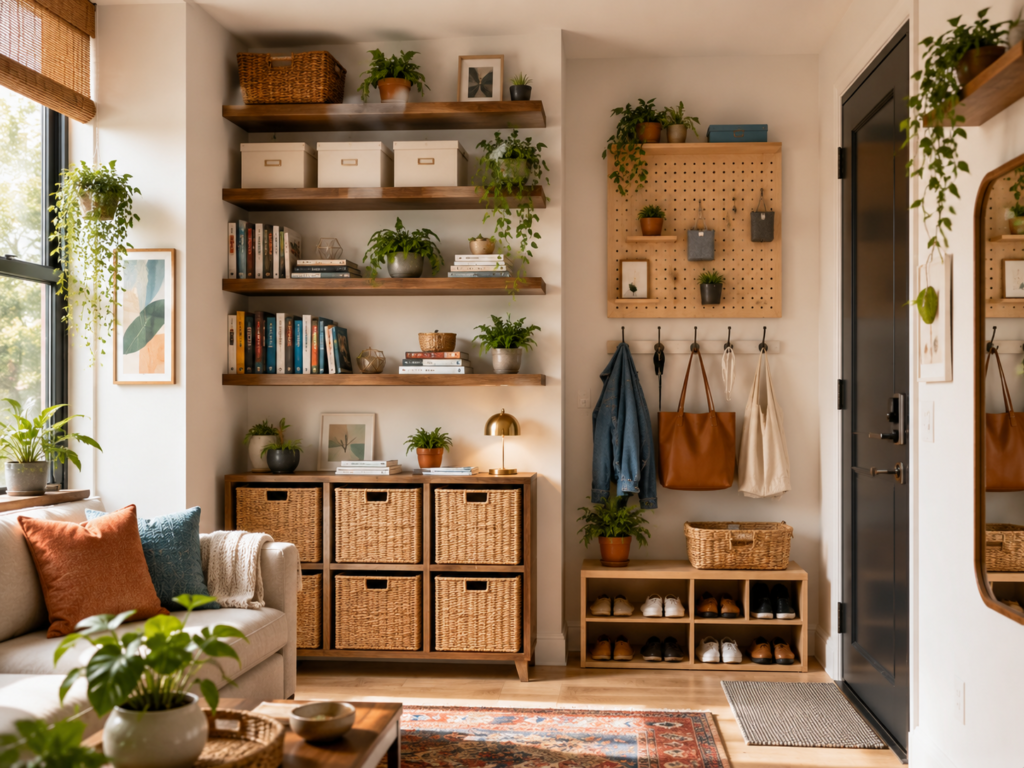
1. Think Vertically Instead of Horizontally
One of the biggest mistakes people make is only using floor space.
Instead, look up.
Your walls offer valuable storage opportunities that often go unused.
Try adding:
* Floating shelves
* Wall-mounted cabinets
* Pegboards
* Hooks for bags and coats
* Hanging baskets
Vertical storage keeps your belongings organized without taking up precious floor space.
Pro Tip:
Store items you use less frequently on higher shelves and keep everyday essentials within easy reach.
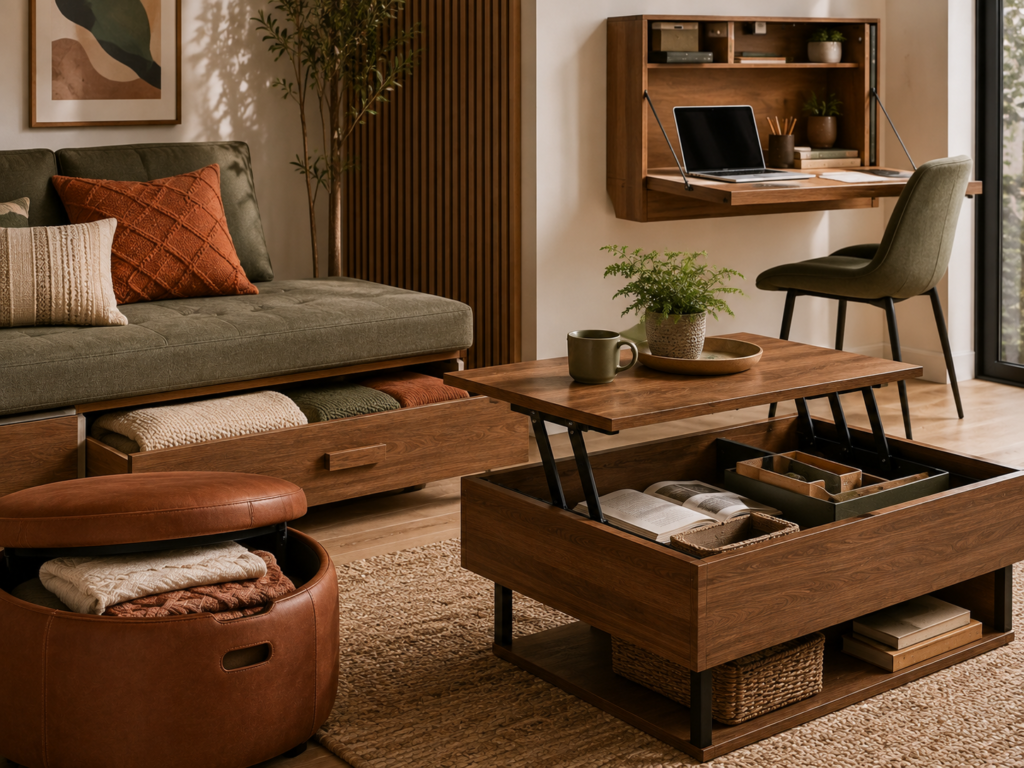
2. Choose Furniture That Does Double Duty
Every piece of furniture should have more than one purpose whenever possible.
Examples include:
* Storage ottomans
* Beds with built-in drawers
* Coffee tables with hidden compartments
* Benches with storage inside
* Lift-top coffee tables
* Foldable dining tables
Multifunctional furniture helps reduce the need for additional storage pieces, making your home feel more open.
3. Declutter Before You Organize
Buying storage bins won’t solve clutter if you’re keeping things you no longer use.
Before organizing any room, sort your belongings into four categories:
* Keep
* Donate
* Recycle
* Trash
Ask yourself:
* Have I used this in the last year?
* Does it serve a purpose?
* Would I buy it again today?
Keeping only what adds value makes organizing much easier.
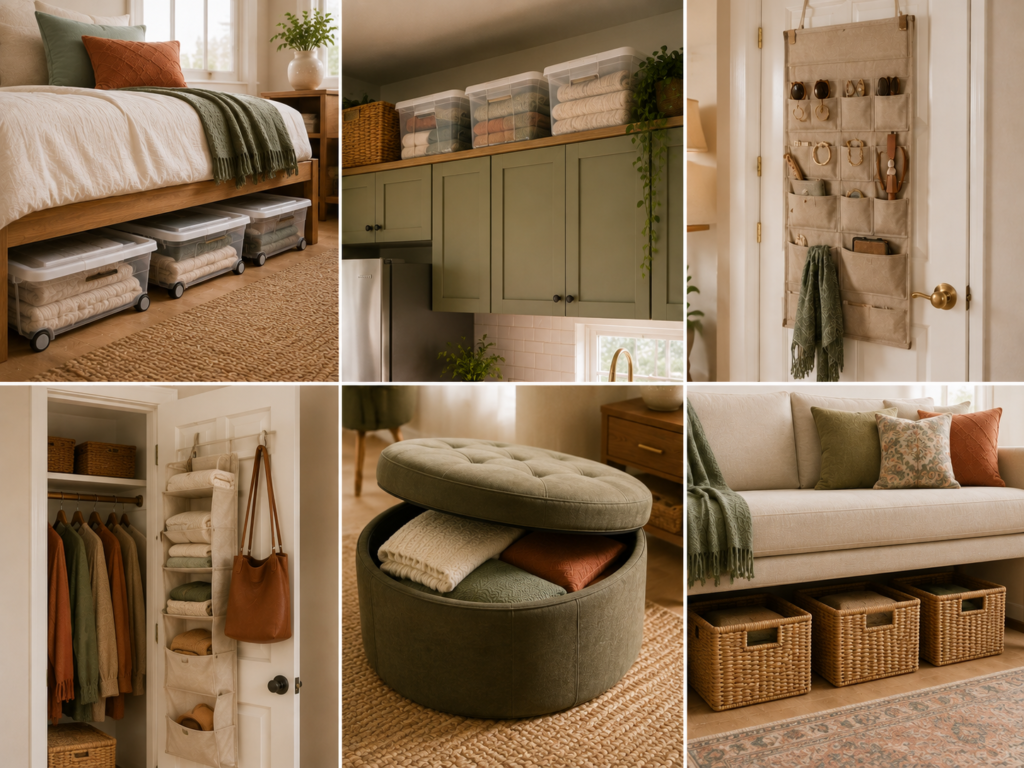
4. Make Use of Hidden Storage Areas
Some of the best storage spaces are the ones you don’t immediately notice.
Look for unused areas such as:
* Under the bed
* Behind doors
* Under stairs
* Above kitchen cabinets
* Inside closet doors
* Under sofas
Storage containers, rolling bins, and hanging organizers can help you take advantage of these often-overlooked spaces.
5. Organize by Zones
Instead of storing similar items throughout the house, create dedicated zones.
For example:
Entryway Zone
* Keys
* Shoes
* Jackets
* Mail
Kitchen Zone
* Cooking utensils
* Baking supplies
* Pantry items
* Food storage containers
Home Office Zone
* Office supplies
* Chargers
* Files
* Notebooks
Grouping related items together saves time and keeps clutter from spreading.
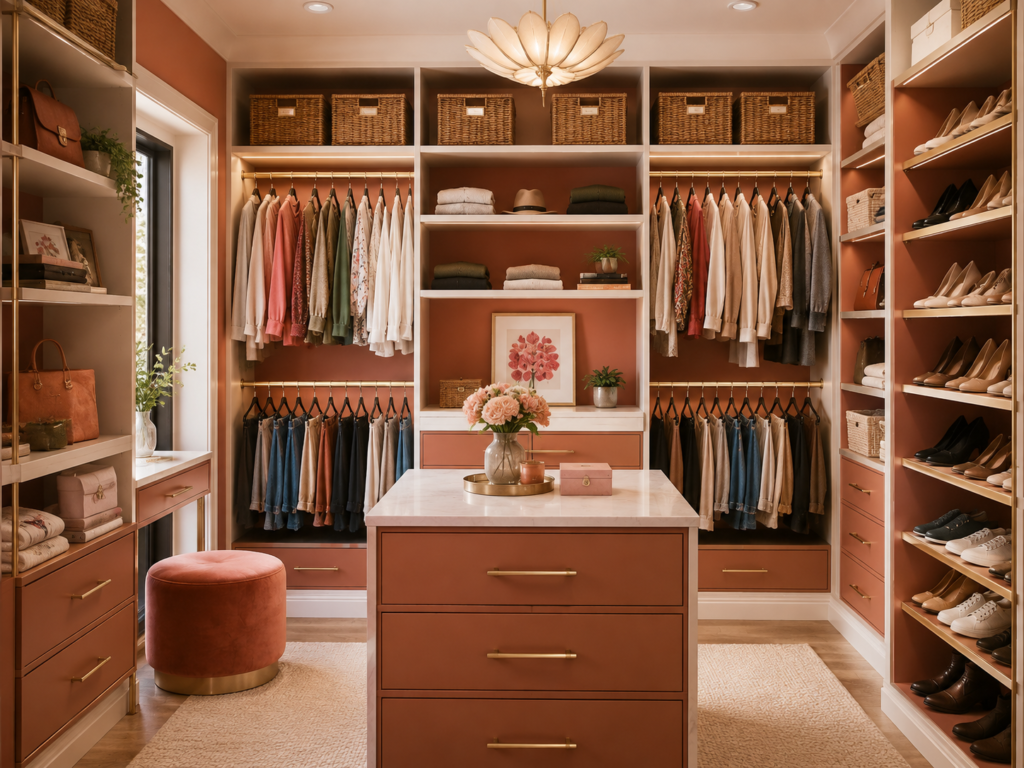
6. Maximize Closet Space
Closets often have far more storage potential than we realize.
Simple upgrades include:
* Double hanging rods
* Shelf dividers
* Hanging organizers
* Slim velvet hangers
* Stackable storage bins
You can also use labeled baskets to keep seasonal clothing, accessories, or extra linens neatly stored.
Don’t forget the floor of your closet—it can hold storage bins or shoe organizers without wasting space.
7. Use Clear Containers and Labels
It’s difficult to stay organized if you can’t see what you own.
Clear storage bins make it easy to find items quickly while reducing duplicate purchases.
Label containers for:
* Holiday decorations
* Craft supplies
* Pantry staples
* Cleaning products
* Toys
* Office supplies
When everyone knows where things belong, it’s much easier to keep your home organized.
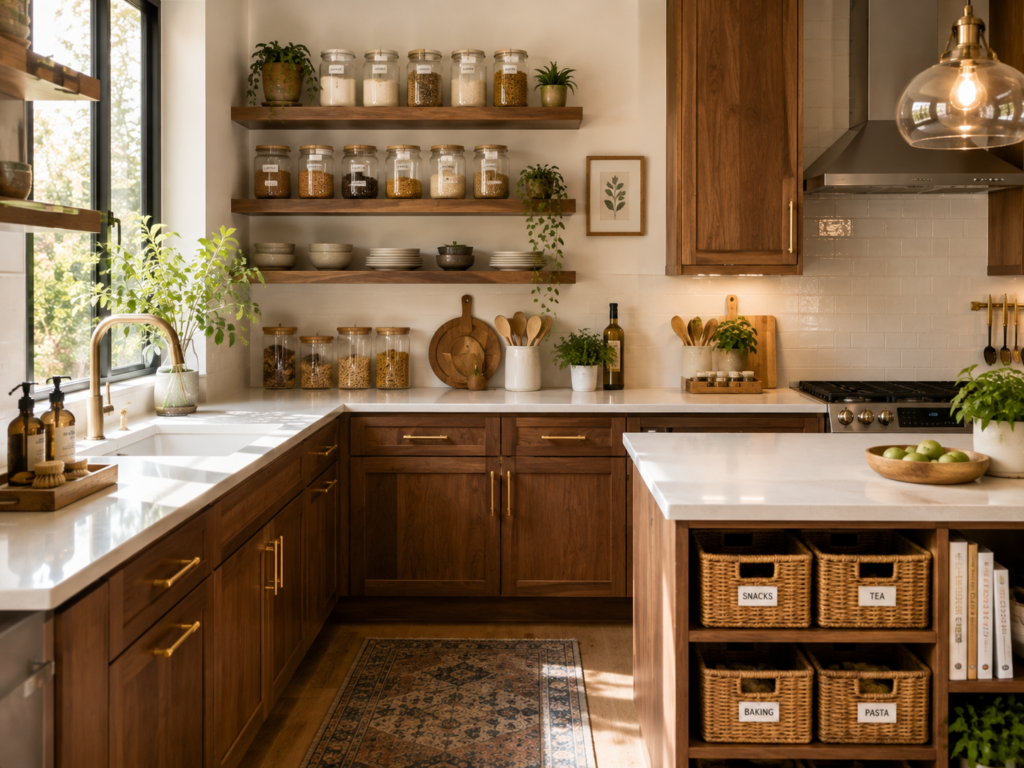
8. Keep Countertops as Clear as Possible
Countertops often become magnets for clutter.
Whether it’s your kitchen counter, bathroom vanity, or desk, keeping surfaces mostly clear instantly makes a room feel larger.
Store everyday essentials in cabinets, drawers, or baskets instead of leaving everything out.
Aim to display only a few decorative or frequently used items.
A clutter-free surface creates a calmer, more spacious appearance.
9. Follow the One-In, One-Out Rule
Small spaces can fill up quickly if new items constantly enter your home.
A simple habit can prevent clutter from returning:
Whenever you buy one new item, remove one similar item.
Examples include:
* Buy a new sweater? Donate an old one.
* Purchase new cookware? Let go of something you no longer use.
* Replace a decorative pillow? Donate another.
This keeps your belongings from slowly multiplying over time.
10. Create a Daily 10-Minute Reset Routine
Organization isn’t a one-time project—it’s a daily habit.
Spend just 10 minutes each evening:
* Put items back where they belong.
* Fold blankets.
* Clear countertops.
* Load the dishwasher.
* Sort the mail.
* Return shoes to the closet.
These small actions prevent clutter from building into overwhelming messes.
Consistency is far easier than spending entire weekends reorganizing your home.
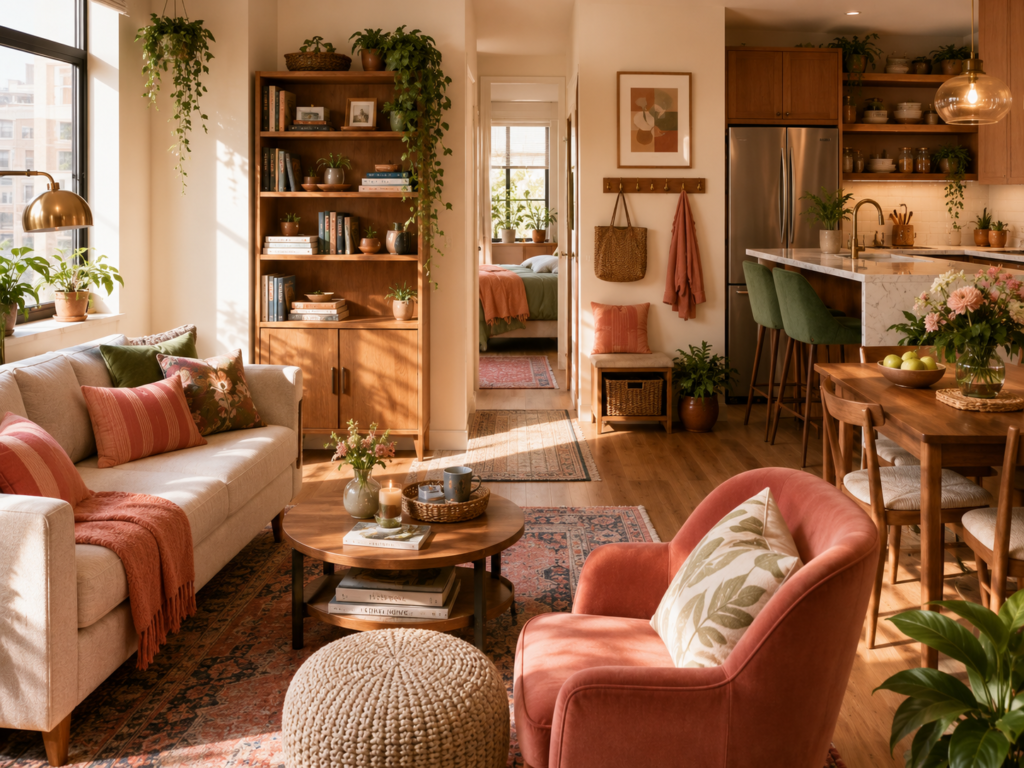
Common Small-Space Organization Mistakes
Even with the best intentions, these mistakes can make a small home feel even smaller.
Buying Storage Before Decluttering
Declutter first, then purchase storage solutions only for what you decide to keep.
Overfilling Shelves
Leave some empty space.
Open areas help rooms feel larger and less crowded.
Ignoring Vertical Space
Walls are valuable storage real estate.
Think beyond cabinets and floors.
Keeping “Just in Case” Items
If you haven’t used something in years, it’s probably taking up valuable space unnecessarily.
Not Maintaining Organization
Even the best organizing systems need regular maintenance.
Small daily habits are what keep your home tidy over time.
Quick Organization Checklist for Small Homes
Use this checklist to organize your space:
✔ Declutter before organizing
✔ Use vertical storage
✔ Choose multifunctional furniture
✔ Label storage containers
✔ Store seasonal items separately
✔ Keep countertops clear
✔ Maximize closet space
✔ Create organizing zones
✔ Follow the one-in, one-out rule
✔ Spend 10 minutes tidying each day
Small Changes Make a Big Difference
You don’t need a larger home to enjoy a more organized lifestyle.
Sometimes the smallest improvements—adding a shelf, clearing a countertop, or organizing one drawer can completely change how your home feels. Focus on creating systems that fit your daily routine rather than striving for perfection. When every item has a place, your home becomes easier to maintain, more functional, and far more enjoyable to live in.
Frequently Asked Questions
How do I organize a small home without spending a lot of money?
Start by decluttering and repurposing what you already have. Use baskets, boxes, and containers you own before buying new storage products.
How can I make a small room look bigger?
Keep clutter to a minimum, use light colors, maximize natural light, choose furniture with exposed legs, and keep floors as open as possible.
What is the best storage solution for small apartments?
Vertical storage, multifunctional furniture, under-bed storage, and over-the-door organizers are some of the most effective solutions for maximizing limited space.
How often should I declutter a small home?
A quick daily tidy-up combined with seasonal decluttering sessions every three to four months helps prevent clutter from building up.