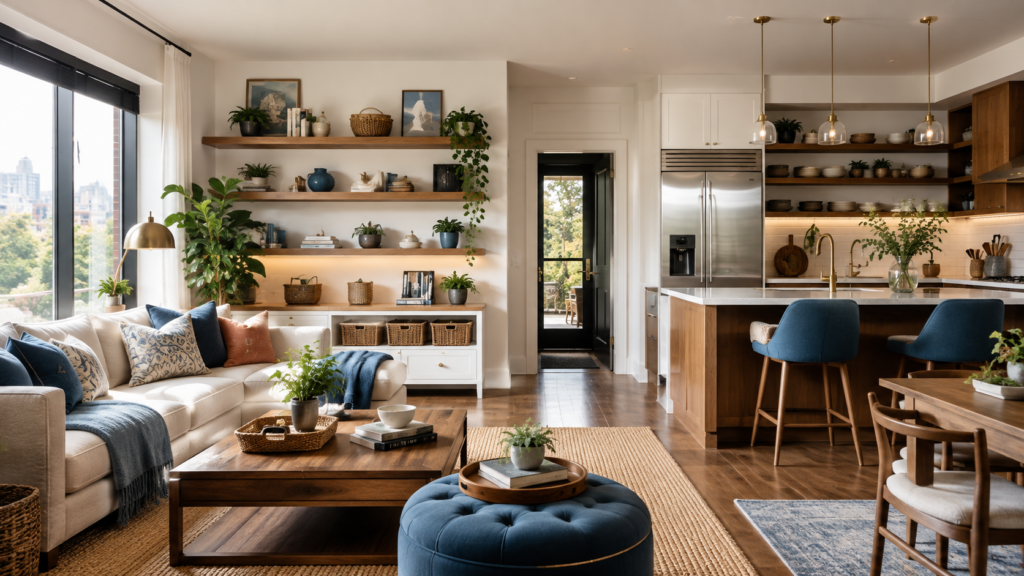
Discover how an organized environment can reduse stress, improve focus, and create a happier, healthier mindset.
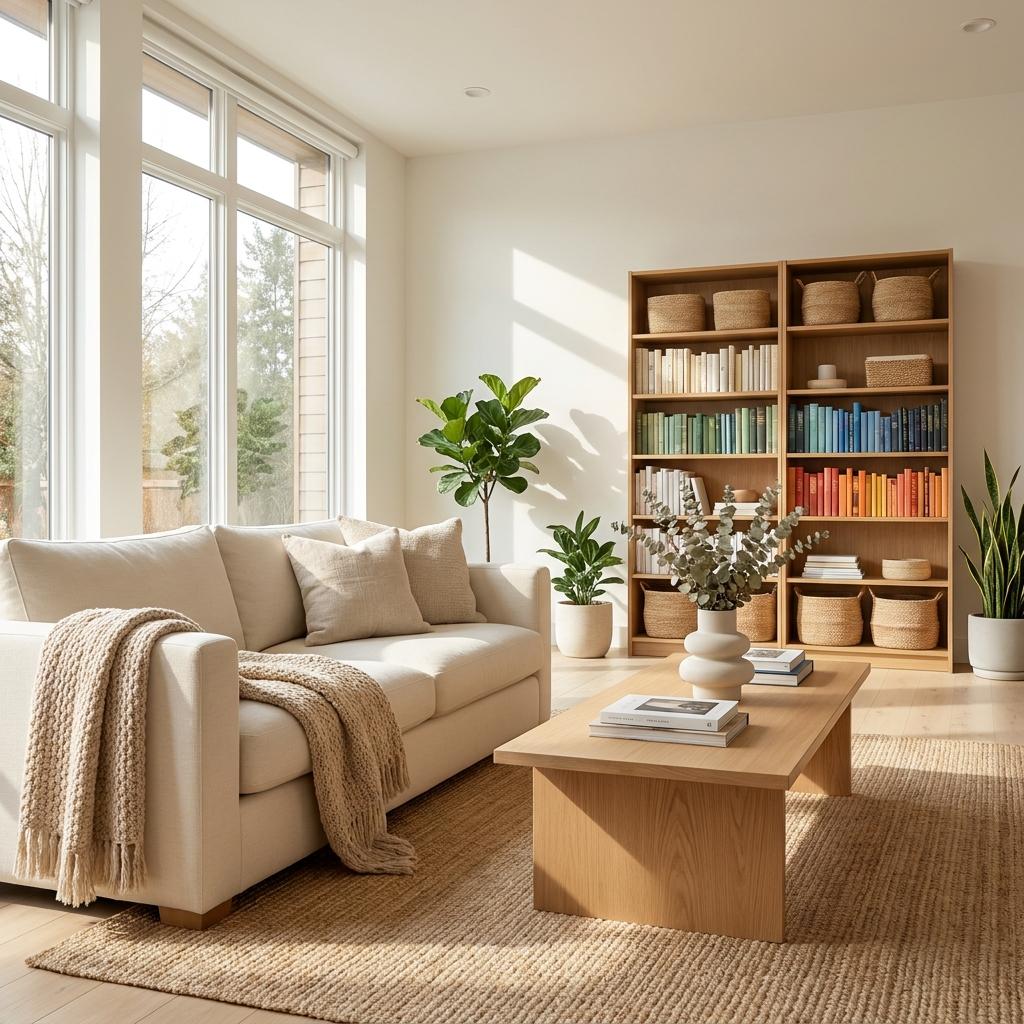
Have you ever walked into a clean, organized room and instantly felt calmer? You’re not imagining it. The way your home looks has a powerful effect on how you think, feel, and even make decisions.
A well-organized home isn’t just about aesthetics—it’s about creating an environment that supports your mental health, reduces stress, and helps you live with more intention. Whether you’re organizing a small apartment or a busy family home, every little improvement can make a meaningful difference.
Let’s explore the psychology behind an organized home and discover simple ways to create a space that nurtures your well-being.
Why Your Home Environment Matters
Your home is more than just a place to sleep. It’s where you recharge, work, connect with loved ones, and create memories. When your surroundings are cluttered, your brain has to process more visual information, making it harder to relax and focus.
Research has shown that clutter can contribute to:
- Increased stress and anxiety
- Difficulty concentrating
- Lower productivity
- Poor sleep quality
- Feelings of overwhelm
On the other hand, organized spaces promote a sense of control, making everyday life feel more manageable.
Research also supports the connection between our environment and mental well-being. According to the American Psychological Association (APA), chronic stress can affect both physical and mental health. In addition, research from the Princeton University Neuroscience Institute found that visual clutter competes for your attention, making it more difficult to focus and process information. Creating an organized environment can help reduce these distractions and promote a calmer mindset.
1. Organization Reduces Mental Clutter
Physical clutter often becomes mental clutter.
When countertops are covered with papers, clothes pile up on chairs, and drawers overflow, your brain constantly registers unfinished tasks. This creates a low-level feeling of stress—even if you’re not consciously thinking about the mess. According to Utah State University Extension, reducing clutter and creating organized living spaces can help make daily routines more manageable and support overall well-being.
A clean, organized space sends a different message:
- Everything has a place.
- Daily routines become easier.
- Your brain can focus on what truly matters.
The result? Less mental fatigue and greater peace of mind.
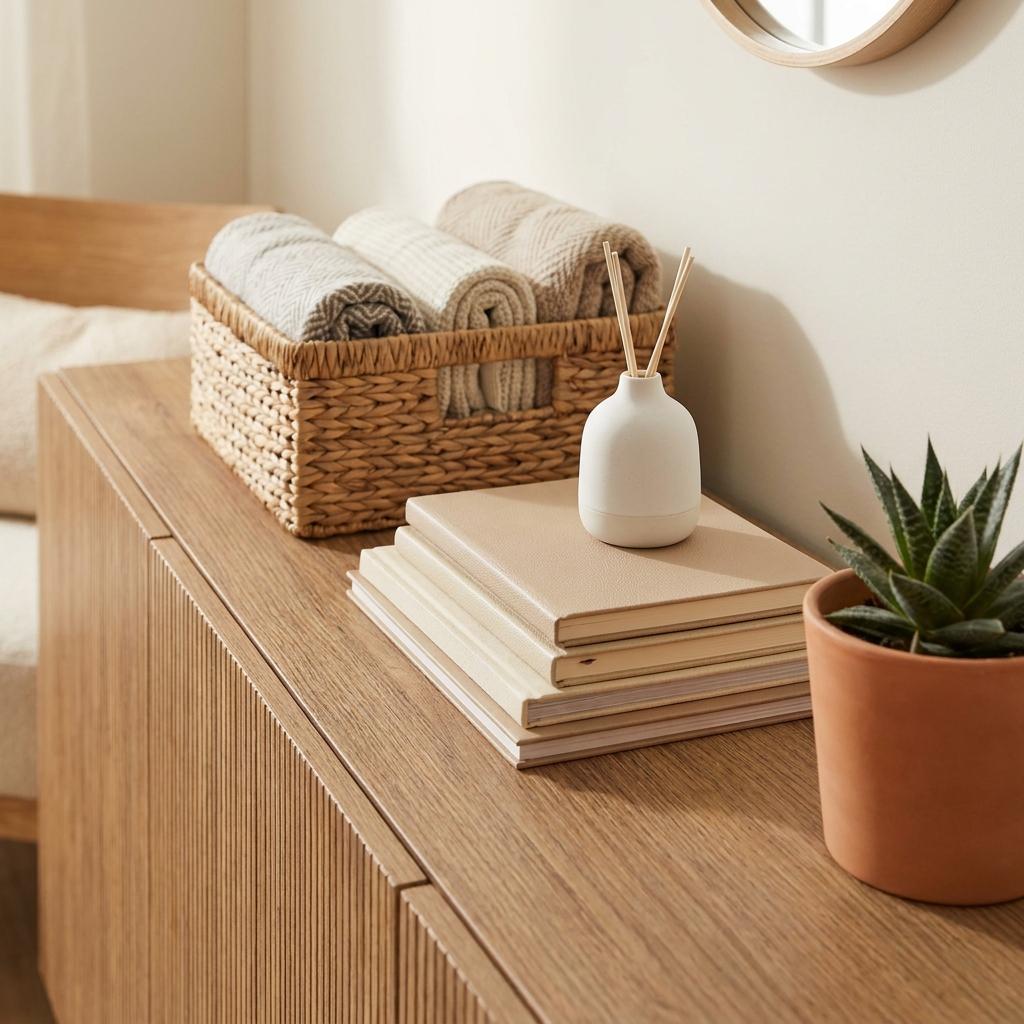
2. A Tidy Home Helps Lower Stress Levels
Imagine coming home after a long workday.
Would you rather walk into a peaceful, organized living room or one filled with clutter and unfinished chores?
An organized environment naturally feels more relaxing. Instead of being reminded of everything you still need to do, your home becomes a place where your mind can unwind.
Simple habits like making the bed, clearing kitchen counters, or organizing entryways can make your entire home feel calmer.
3. Better Organization Improves Productivity
It’s difficult to stay productive when you’re constantly searching for lost items.
An organized home helps you:
- Find things quickly
- Save valuable time
- Reduce daily frustration
- Complete tasks more efficiently
Whether you’re working from home, managing a household, or raising kids, organization allows your day to flow more smoothly.
4. Clean Spaces Encourage Healthy Habits
Your environment influences your behavior more than you may realize.
When your kitchen is organized, you’re more likely to prepare healthy meals.
When your workout area is tidy, you’re more motivated to exercise.
When your bedroom is peaceful and clutter-free, you’re more likely to enjoy restful sleep.
Small changes to your surroundings often lead to healthier daily routines.
5. Organization Creates a Sense of Control
Life can be unpredictable, but your home is one place where you can create stability.
Organizing your belongings gives you a feeling of accomplishment and control, especially during stressful seasons of life.
Even organizing one drawer or one shelf can provide a psychological boost and remind you that progress happens one step at a time.
6. A Peaceful Home Supports Better Relationships
Clutter doesn’t just affect individuals—it can also impact families.
Disorganization often leads to:
- Misplaced belongings
- Household arguments
- Last-minute stress
- Daily frustration
Creating organized systems helps everyone know where things belong, reducing tension and making daily routines more enjoyable.
A calmer home often leads to calmer conversations.
7. Your Bedroom Shapes Your Sleep
Sleep experts consistently recommend keeping bedrooms clean, quiet, and clutter-free.
An organized bedroom can help:
- Reduce nighttime anxiety
- Create a relaxing atmosphere
- Improve sleep quality
- Make mornings feel less chaotic
Start with simple habits:
- Make your bed every morning.
- Keep nightstands clutter-free.
- Store laundry out of sight.
- Limit unnecessary decorations.
Your bedroom should feel like a retreat, not a storage room.
Easy Ways to Create a More Organized Home
You don’t need an expensive home makeover to enjoy the psychological benefits of organization.
Try these simple habits:
Start Small
Choose one drawer, one cabinet, or one shelf instead of tackling the entire house.
Follow the One-Minute Rule
If a task takes less than one minute—putting away shoes, hanging a jacket, or wiping a counter—do it immediately.
Give Everything a Home
Every item should have a designated place. This makes cleanup faster and prevents clutter from accumulating.
Declutter Regularly
Donate or recycle items you no longer use. Keeping only what serves a purpose makes organization much easier.
Create Daily Reset Routines
Spend 10–15 minutes each evening putting things back where they belong. Waking up to a tidy home can set a positive tone for the day.
Continue Your Home Organization Journey
Looking for more practical organization tips? Explore these related guides:
- 10 Home Organization Ideas for Small Spaces – Discover smart storage ideas for compact homes and apartments.
- Kitchen Organization Tips – Learn simple ways to create a more functional and clutter-free kitchen.
- DIY Storage Solutions – Creative and budget-friendly storage ideas you can make yourself.
- Decluttering Checklist – Follow a step-by-step checklist to organize every room in your home.
These articles provide practical solutions to help you build an organized home that supports a calmer, more intentional lifestyle.
Organization Is About Progress, Not Perfection
Many people believe an organized home has to look like something from a magazine. That’s simply not true.
A well-organized home is one that works for your lifestyle.
It’s okay if toys are visible in family spaces or if your pantry isn’t color-coded. The goal isn’t perfection—it’s creating systems that reduce stress and make everyday life easier.
Consistency matters far more than perfection.
Final Thoughts
The psychology of a well-organized home goes far beyond clean countertops and neatly folded towels. An organized space supports your mental health, improves focus, reduces stress, and helps you feel more in control of your daily life.
Remember, you don’t have to organize your entire home in one weekend. Start with one small area, build simple habits, and celebrate your progress along the way.
Your home should be a place that restores your energy—not drains it. With thoughtful organization, you can create a space that supports both your mind and your lifestyle every single day.
Frequently Asked Questions
Why does a clean home make you feel better?
A clean and organized home reduces visual distractions and helps lower stress levels, making it easier for your brain to relax, focus, and feel more in control of your environment.
Can clutter affect mental health?
Yes. Research suggests that excessive clutter can contribute to increased stress, anxiety, difficulty concentrating, and feelings of overwhelm. Maintaining an organized living space may help support better mental well-being.
How do I start organizing my home?
Begin with one small area, such as a drawer, shelf, or closet. Remove items you no longer need, assign a designated place for everything you keep, and establish simple daily habits to maintain organization.
Is it okay if my home isn’t perfectly organized?
Absolutely. A functional home that supports your lifestyle is far more important than achieving picture-perfect organization. Focus on creating systems that work for you and your family, and remember that consistency matters more than perfection.